
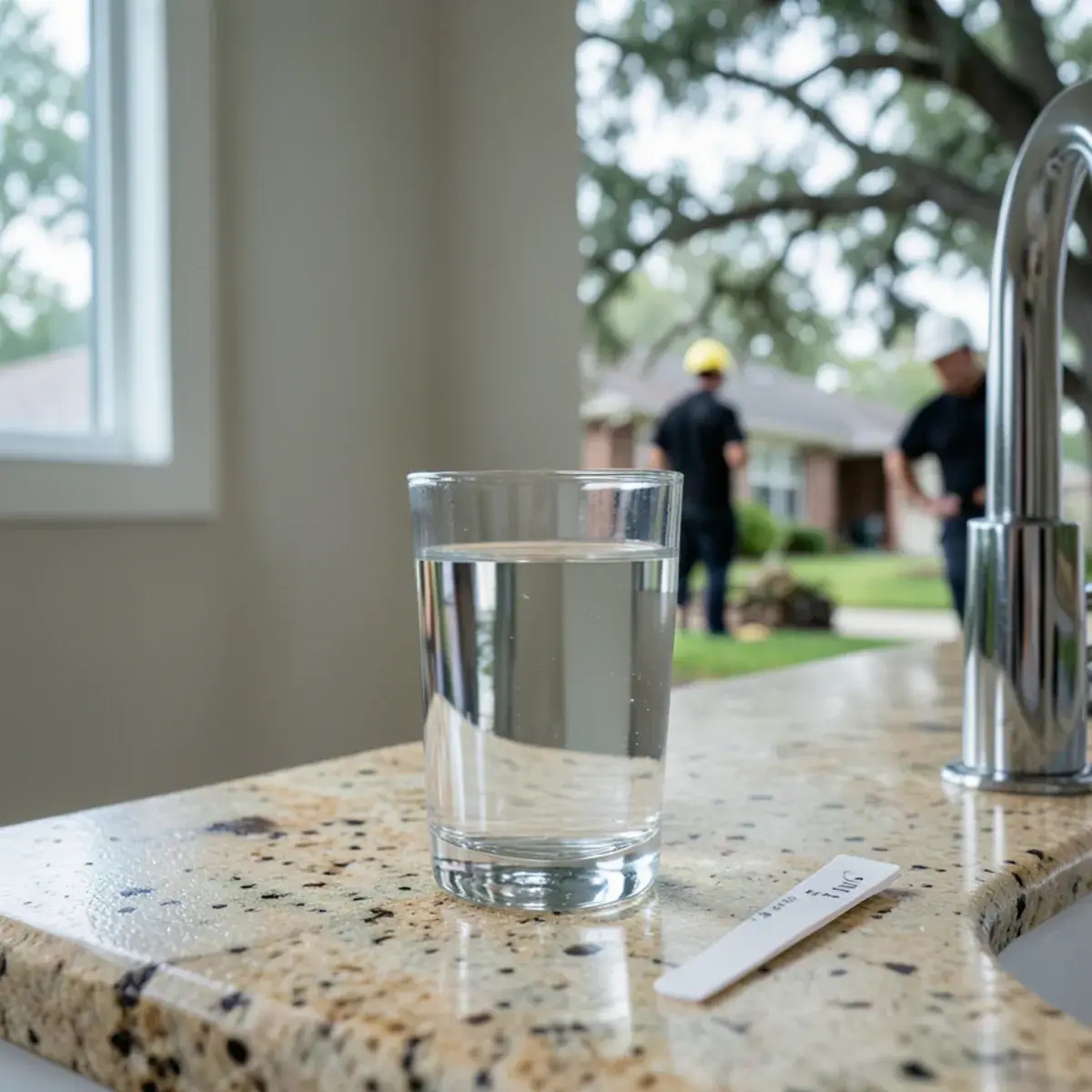
Water quality in Houston changes by address, because the City blends lake water from two river systems with groundwater from wells. Start with your utility's annual report and a hardness test, then treat the problem you can name. Scale calls for softening. Chlorine taste calls for filtration. Many homes need one and not the other.
Where does Houston tap water come from?
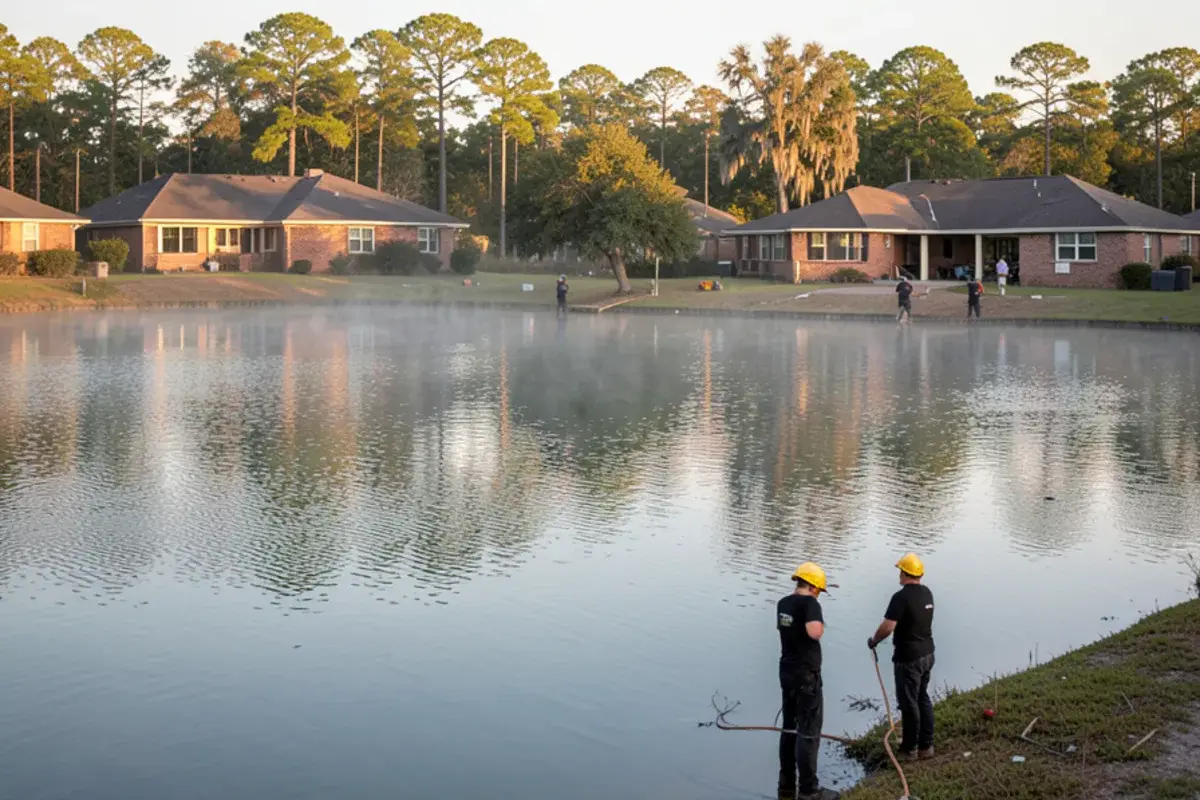
Most of it comes from surface water, and the rest comes from wells. The City draws from the San Jacinto River, through Lake Conroe and Lake Houston, and from the Trinity River, through Lake Livingston. Wells tap the Evangeline and Chicot aquifers.
A published summary of the City's January-December 2025 report gives a split of 90.3% surface water and 9.7% groundwater. Your address decides the mix you get, because different plants and wells serve different parts of the system.
Disinfection differs too. Reporting by ABC13 in 2021 described chloramine for surface water and chlorine for groundwater, and the summary lists the Main System on chloramines. EPA says chloramines last longer in the pipes, and more than one in five Americans use chloraminated water.
Not sure what's in your water? Call and we'll help you read your utility's report.
- ★ 5.0 on Google, 18 reviews
- Sun–Thu 7 AM–8 PM · Fri 7 AM–6 PM · Sat closed
- Clear, upfront quote
How do you read water quality in Houston from your own report?
Read three lines first: total hardness, disinfectant and source. Every supplier publishes an annual report, so you do not have to guess.
- Total hardness: The summary of the 2025 report gives a Main System average of 135.5 ppm, about 7.9 grains per gallon, with neighborhoods from 2.5 to 13.4 grains. The City's 2020 report listed a range of 56.6 to 175 ppm, averaging 130.
- Disinfectant: Look for chloramines or chlorine, since the type changes what a filter has to do.
- Source: Lake water and well water behave differently at the tap.
USGS bands put 121 to 180 ppm in the hard range, and higher readings count as very hard. Hardness is mainly a scale and soap issue, and the EPA sets no legal limit for it.
Homes in Sugar Land, Katy and other suburbs may be on a separate city or municipal utility district, so find that system's report. Seasonal taste shifts are also normal here. The City traces them to naturally occurring algae in the lakes and reports that its water still meets federal and state rules.
Which hard water solutions fit which problem?
Name the symptom first, then choose the treatment:
| What you notice | What usually helps |
|---|---|
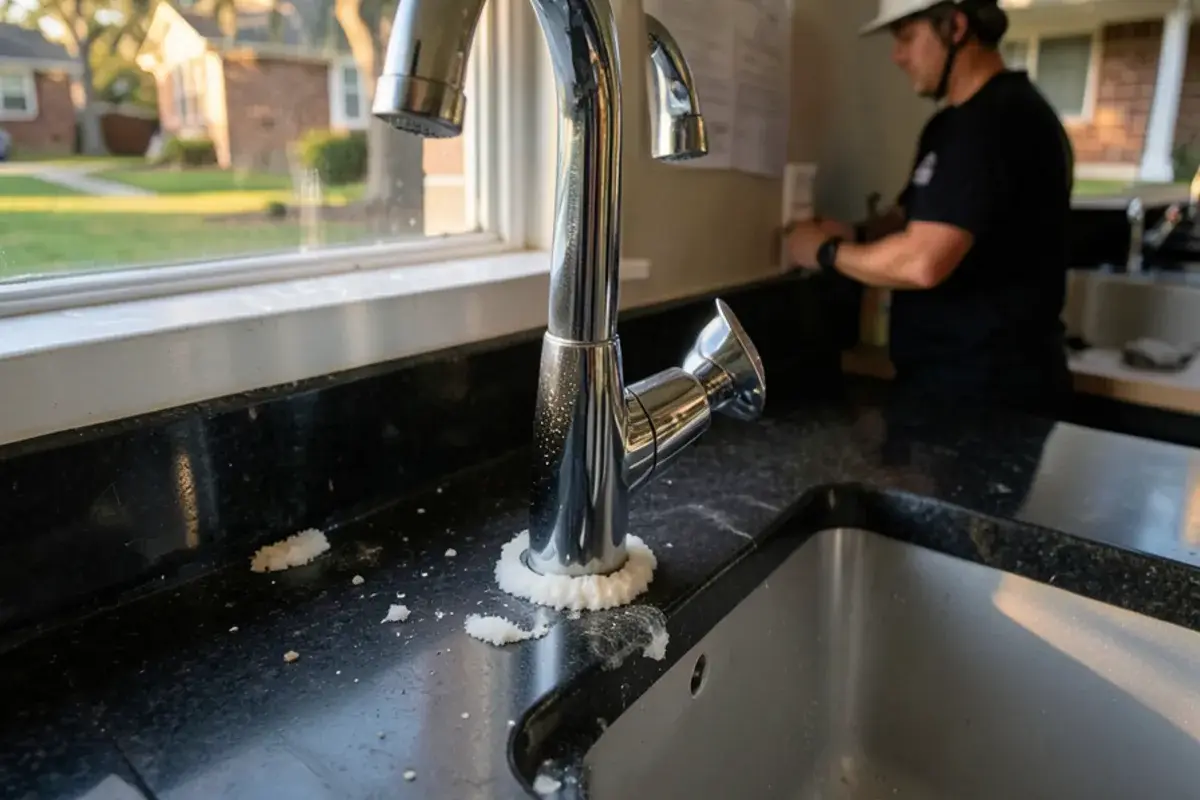
| Scale on faucets and shower glass | Water softener |
| Spots, stiff laundry, poor lather | Water softener |
| Tankless heater scaling up | Softener, plus flushing |
| Chlorine taste or smell at every tap | Whole house carbon filter |
| Grit in aerators | Sediment filter |
| Wanting better drinking water at one sink | Under-sink filter or reverse osmosis |
A softener and a filter do different jobs. A softener swaps hardness minerals for sodium or potassium, and it does nothing for chlorine taste. A carbon filter handles taste and odor, and it leaves hardness in place.
What a water treatment plumber should do first
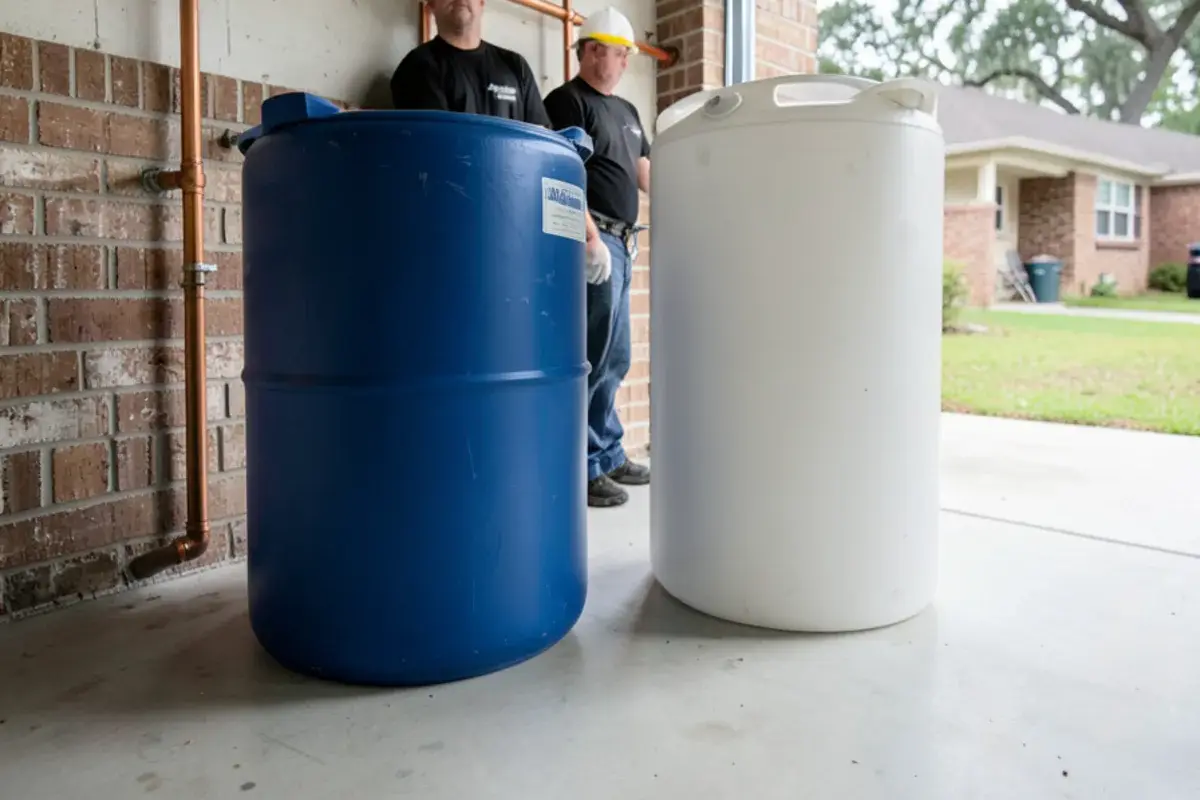
A good water treatment plumber measures before recommending anything. Pick the page that matches your problem, then see what a visit covers:
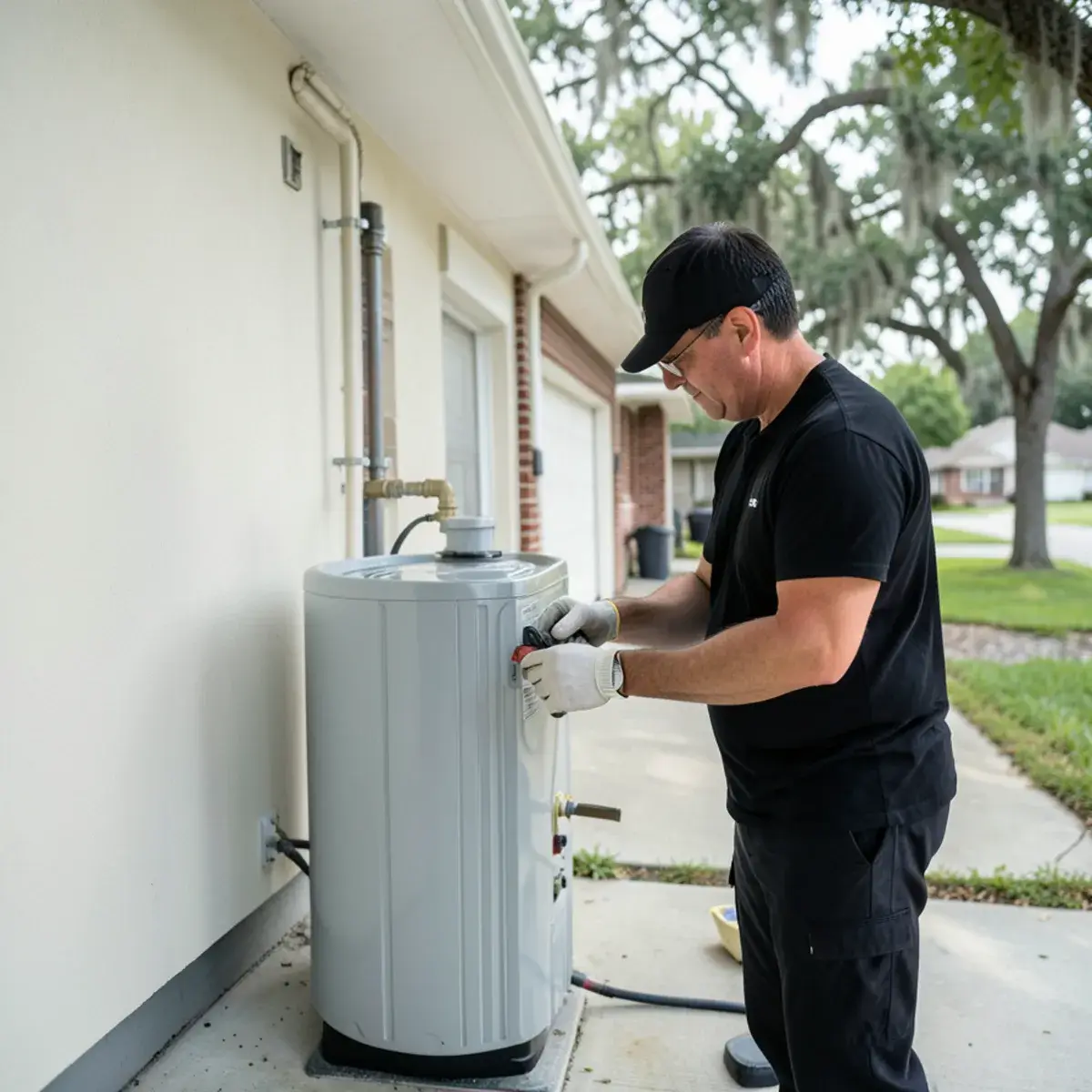
Water Softener Installation
Get a softener sized from your own hardness number and household, placed where the plumbing works.
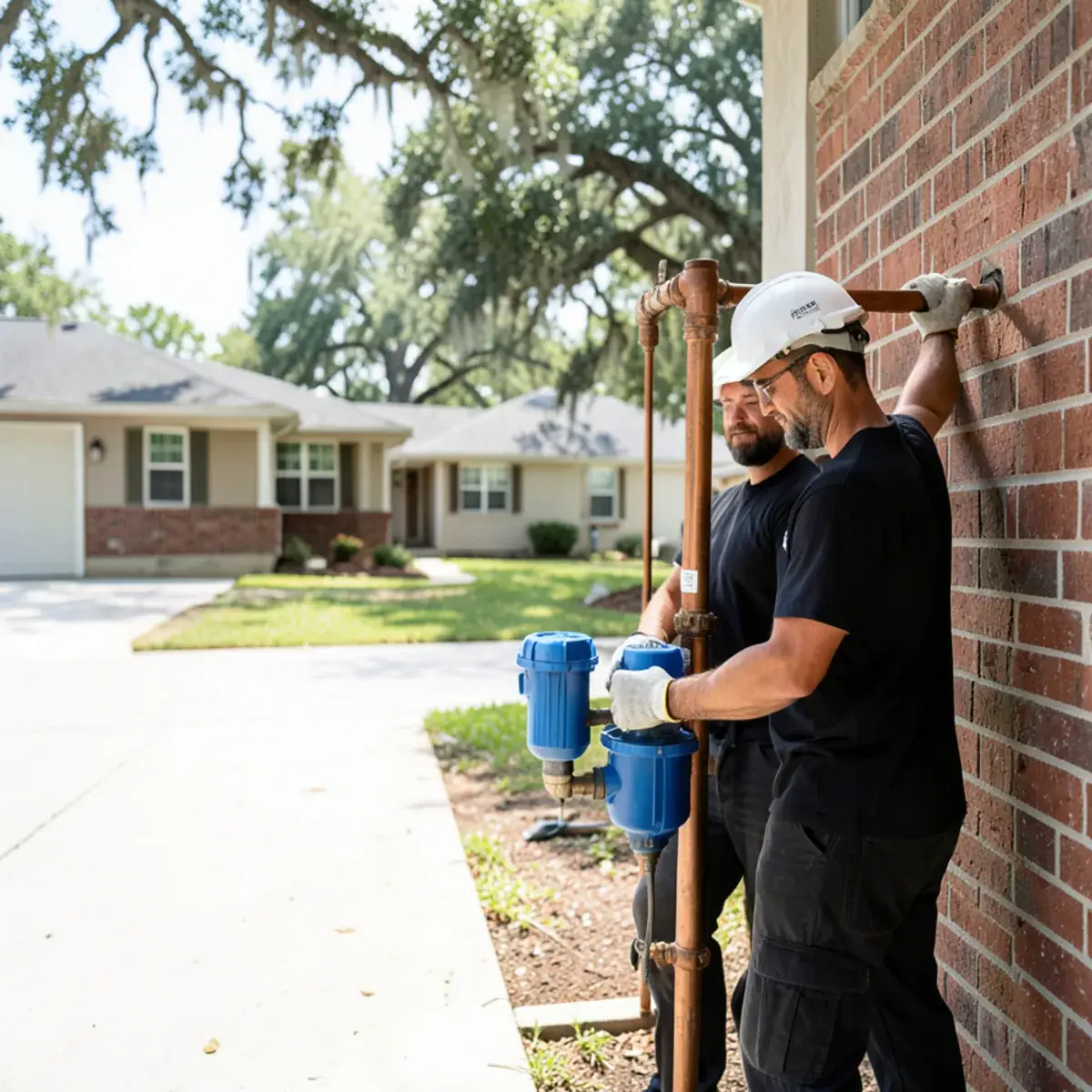
Whole House Water Filtration
Choose a filter for the taste, odor or grit you actually have, with a listing you can check.
Each visit includes:
- A review of your utility's report
- A hardness check at the tap
- A look at the main line, drain and power near the install spot
- A plain explanation of what each option will and will not do
- A clear, upfront quote
What shapes the price of clean water systems?
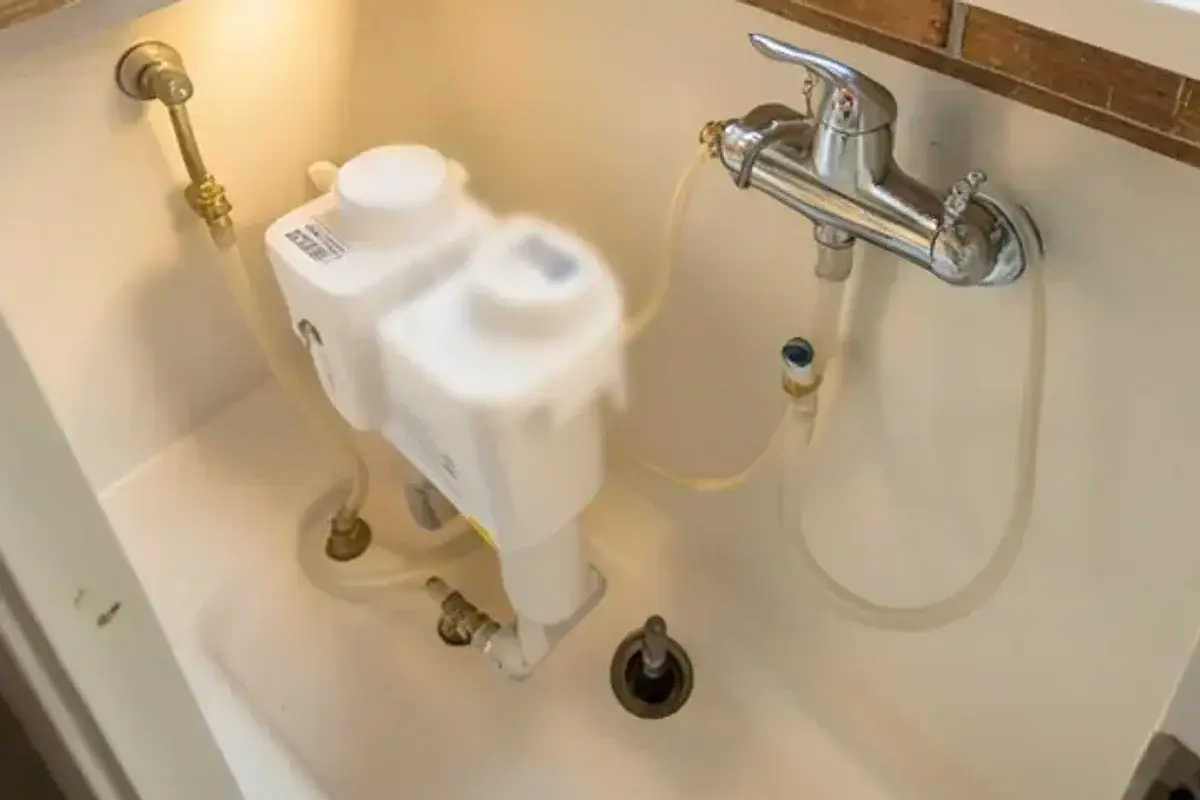
Clean water systems are priced by capacity, location and how much plumbing has to change. We quote after a look at the house. These factors matter most:
- Hardness and household size: these set softener capacity
- Scope: whole house, or a single tap
- Install spot: a garage with a loop, or a new line to reach
- Drain and power: softeners and RO units need a drain route
- Ongoing supplies: salt, cartridges and membranes
Why PipeElectric for water quality work?
Water treatment is easy to oversell, so a straight conversation matters here:
- Google shows PipeElectric at 5.0 across 18 reviews.
- Plain explanations and fair pricing show up in customer reviews.
- Clean work gets mentioned too.
- Your water gets measured first, then a clear, upfront quote follows.
Two Texas agencies matter here: TCEQ licenses water treatment specialists, and plumbers answer to the Texas State Board of Plumbing Examiners. Find out which license an installer holds before work begins.
Water quality calls reach us from across Houston and places such as Pearland, Katy, Cypress and Sugar Land.
What customers say about our plumbing work
5.0 on Google from 18 reviews, checked October 2026.
“The plumbers were very professional and made sure I understood what was going on during the entire process. Their prices are very reasonable as well.”
“They had someone out to my house within a couple of hours. The technician was professional, he explained everything clearly, located the gas leak, and repaired it on the spot. He even double check the rest of the line to make sure there wasn't any other leak. I really appreciated how honest and thorough they were.I highly recommend PipeElectric to anyone looking for fast, affortable and caring service!”
“Had PipeElectric install a new water heater, and they did a fantastic job! Fast, professional, and no mess left behind. Highly recommend them for any plumbing work!”
Water Quality questions
Is Houston water hard?
Yes, for most of the City's Main System. A published summary of the 2025 report puts its average at 135.5 ppm, about 7.9 grains per gallon, which falls in the USGS hard band of 121 to 180 ppm. Addresses range widely, so check your report or test your tap before buying a softener.
Where can I find my water quality report?
City of Houston customers can find it on the Houston Public Works website under the drinking water quality report. Federal rules have suppliers publish one every year. If a municipal utility district or suburban city bills you, look for its own report, because your water may come from a different source.
Do I need a softener, a filter or both?
It depends on the problem. Scale, spots and stiff laundry point to a softener. Chlorine taste, odor and grit point to a filter. Some homes want both, with the filter ahead of the softener on the line. If you are unsure, test hardness first, because it is the easiest number to get.
Should I test my water before buying a system?
Yes. A hardness test costs little and it stops you from buying for a problem you do not have. Compare the result with your utility's report, and note that hardness can shift between addresses. Be wary of any seller who proposes a system before anyone has measured your water.
Scale on the fixtures or a taste you don't like? Call and tell us your utility.
- ★ 5.0 on Google, 18 reviews
- Sun–Thu 7 AM–8 PM · Fri 7 AM–6 PM · Sat closed
- Clear, upfront quote
PipeElectric - Plumbing & Electrical - HVAC · Houston, TX · (321) 559-0657